locher-inc
What Causes Spindle Failure in North American Machine Shops?
Created September 22, 2026
Common spindle failure causes include taper wear, crashes, poor toolholder contact, contamination, coolant intrusion, low drawbar force, bearing overload, heat, imbalance, chatter, and skipped preventive maintenance. North American manufacturers can often avoid a full spindle replacement when the root issue is taper damage that can be corrected with on-site spindle taper grinding.
A spindle rarely fails because it woke up cranky on a Tuesday. In North American machine shops, spindle trouble usually comes from a chain of very ordinary production realities: crashes, heat, worn toolholders, coolant, chips, vibration, and taper contact that slowly gets worse until the machine starts telling on itself.
For North American manufacturers using production machine tools, the expensive part is not just the spindle repair. It is the uncertainty. Is the spindle dying? Is the taper worn? Are the bearings damaged? Can the machine be corrected on-site, or is it time to pull the spindle and brace for downtime?
Direct answer
The common causes of spindle failure are taper wear, machine crashes, contamination, coolant intrusion, poor toolholder contact, low drawbar retention force, bearing overload, imbalance, chatter, heat growth, lubrication problems, misalignment, and skipped preventive maintenance. In many North American shops, the first visible symptoms are runout, chatter, bad finishes, tool pullout, fretting, inconsistent part size, or a spindle that sounds different under load.
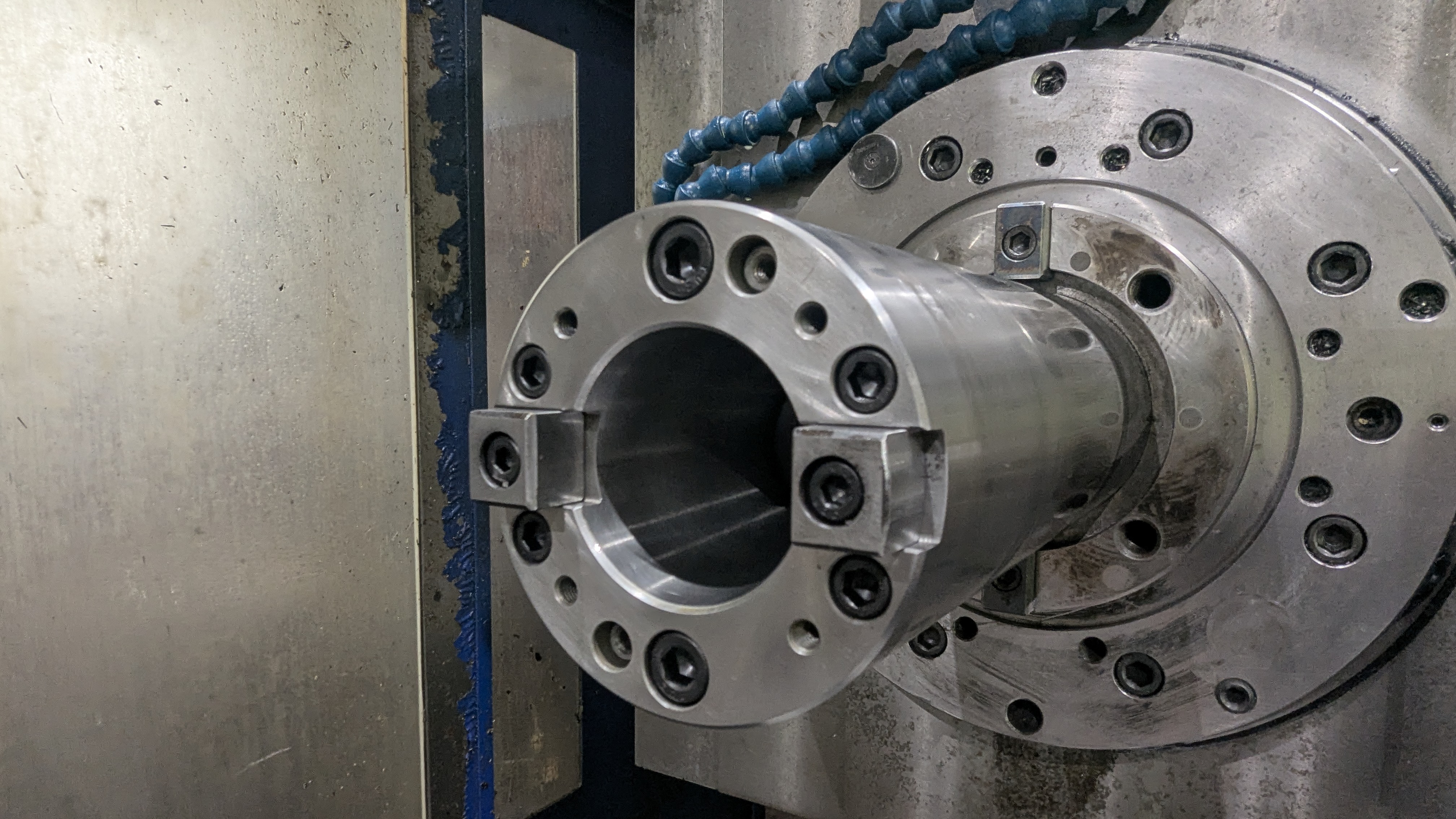
If the spindle bearings are still healthy but the toolholding taper is worn, damaged, bell-mouthed, or no longer making proper contact, Locher, Inc. provides on-site spindle taper grinding that may restore precision without removing the spindle from the machine. If the damage is deeper, the right answer may be spindle repair, machine rebuilding, or a more complete evaluation.
A quick decision guide before you pull the spindle
Use this as a shop-floor triage tool. It is not a substitute for measurement, but it can help you decide what to check next before losing another shift to guesswork.
| Symptom in the machine | Likely spindle-related cause | What to check first | Practical next step |
|---|---|---|---|
| Toolholder shows fretting or uneven contact | Worn, bell-mouthed, or damaged spindle taper | Blue contact pattern, taper runout, toolholder condition | Inspect taper contact and runout before choosing a correction |
| Chatter appears across multiple tools and jobs | Taper contact loss, bearing wear, imbalance, or machine looseness | Test bar runout, spindle sound, drawbar force, axis condition | Separate taper issue from bearing or machine geometry issue |
| Tools pull out during heavy cuts | Low drawbar force, poor retention knob fit, taper contact loss | Drawbar force test, pull stud style, toolholder taper | Correct retention issues before increasing cutting load |
| Finish quality changes after a crash | Taper nick, taper distortion, bearing shock, misalignment | Taper inspection, runout, crash history, spindle nose condition | Evaluate quickly; small taper damage can create large finish problems |
| Spindle heats up or gets noisy | Bearing distress, lubrication issue, coolant intrusion, overload | Temperature trend, noise under speed, lubrication, coolant seals | Stop running hard production until the source is identified |
| Locher, Inc.Discuss Machine Tool RepairContact Locher, Inc. | |||
Why spindle failure feels sudden but usually is not
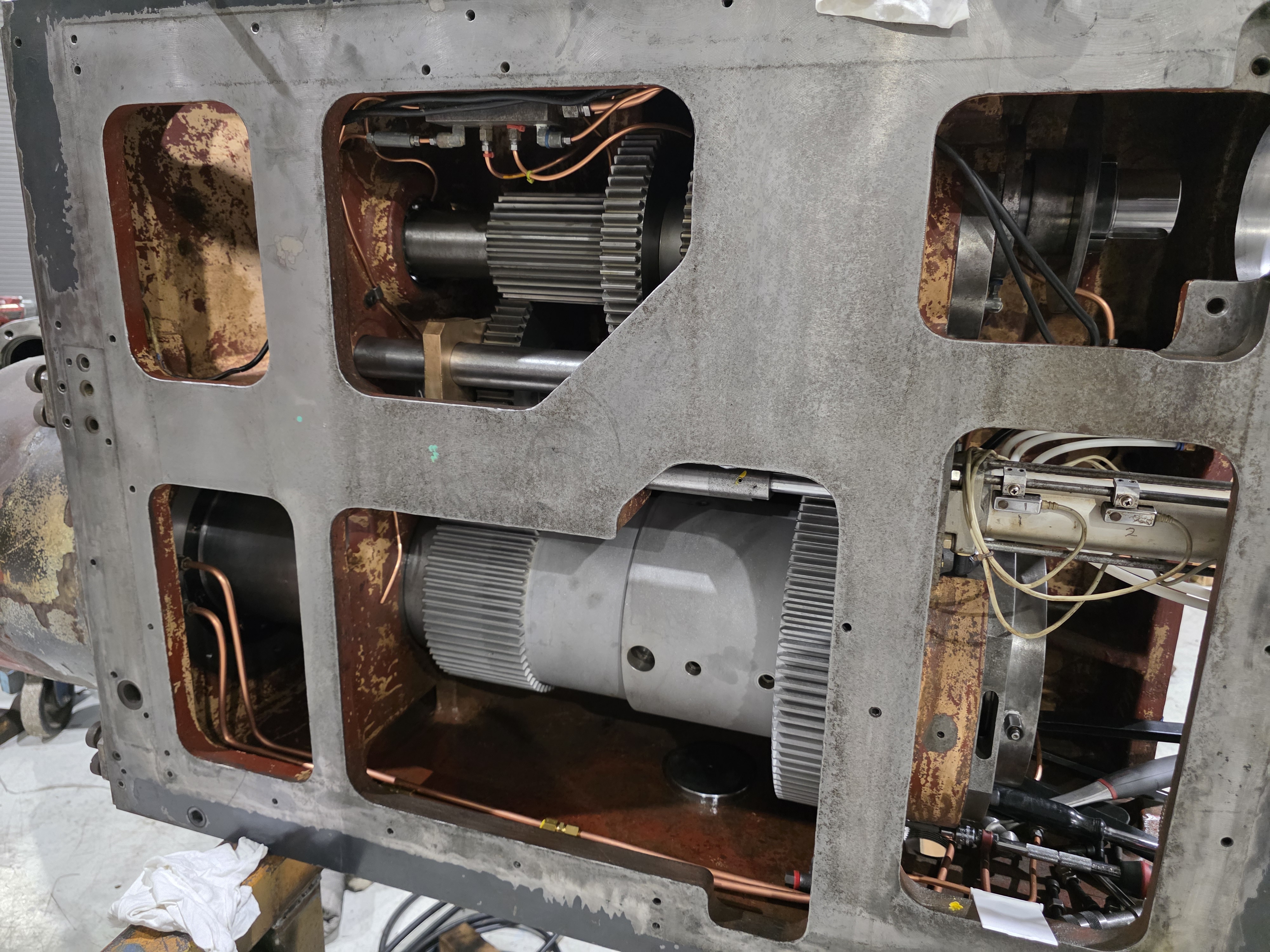
A spindle can fail dramatically after a crash, but many failures are slow-motion events. A small amount of taper wear reduces contact. Reduced contact allows micro-movement. Micro-movement creates fretting. Fretting worsens the fit. The tool starts cutting with less rigidity, which adds chatter and heat. Then someone slows the feed, changes the insert, tweaks the program, or blames the material lot.
Sometimes those changes help for a while. They do not fix the taper.
This is why spindle issues can hide inside normal production noise. North American manufacturers running vertical machining centers, horizontal machining centers, boring mills, grinders, and other production machine tools often notice the problem only after scrap increases or a repeat job no longer repeats. By then, the spindle may still be repairable, but it needs an actual inspection rather than another round of tool swaps.
Taper wear is one of the big culprits
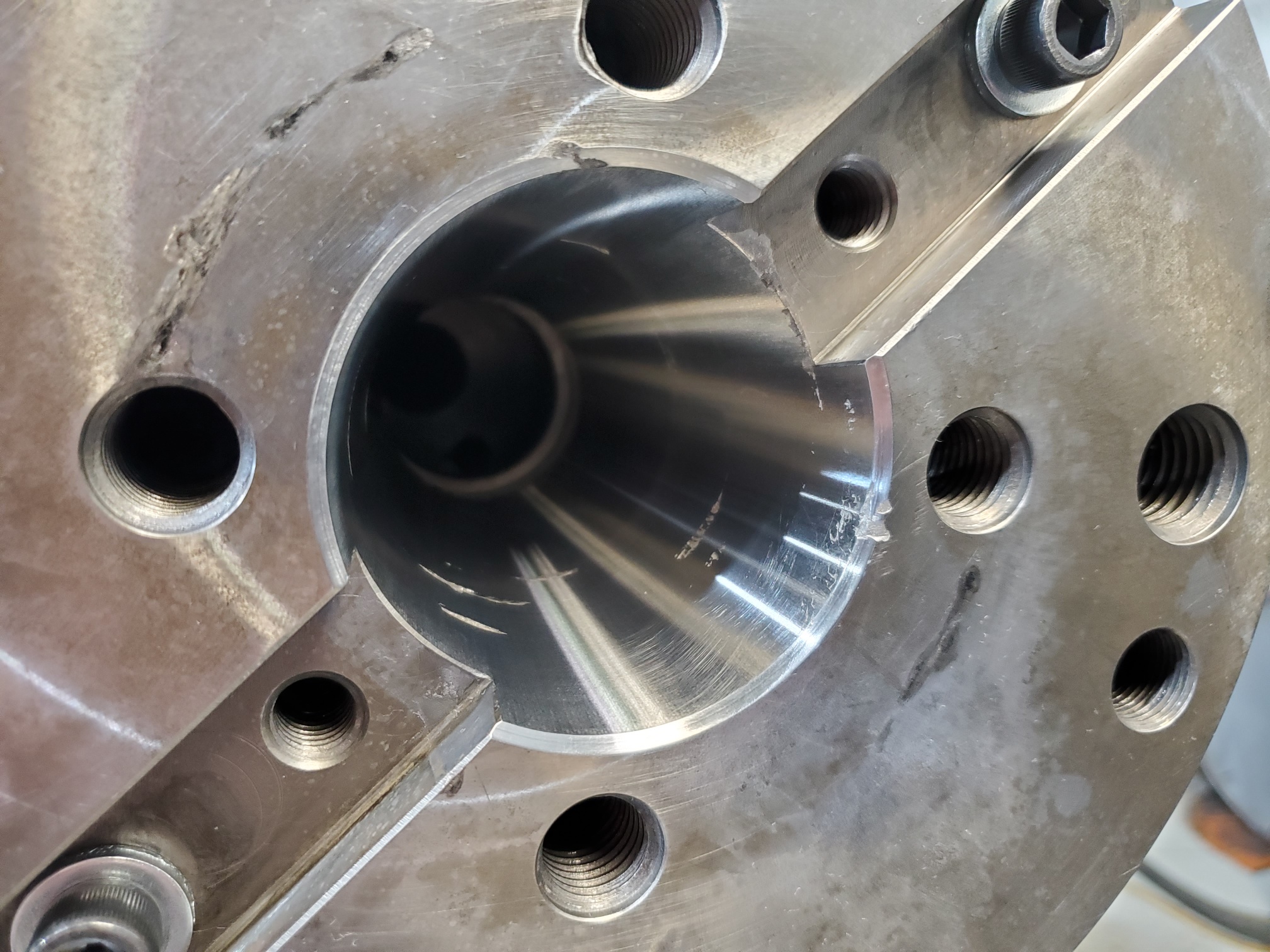
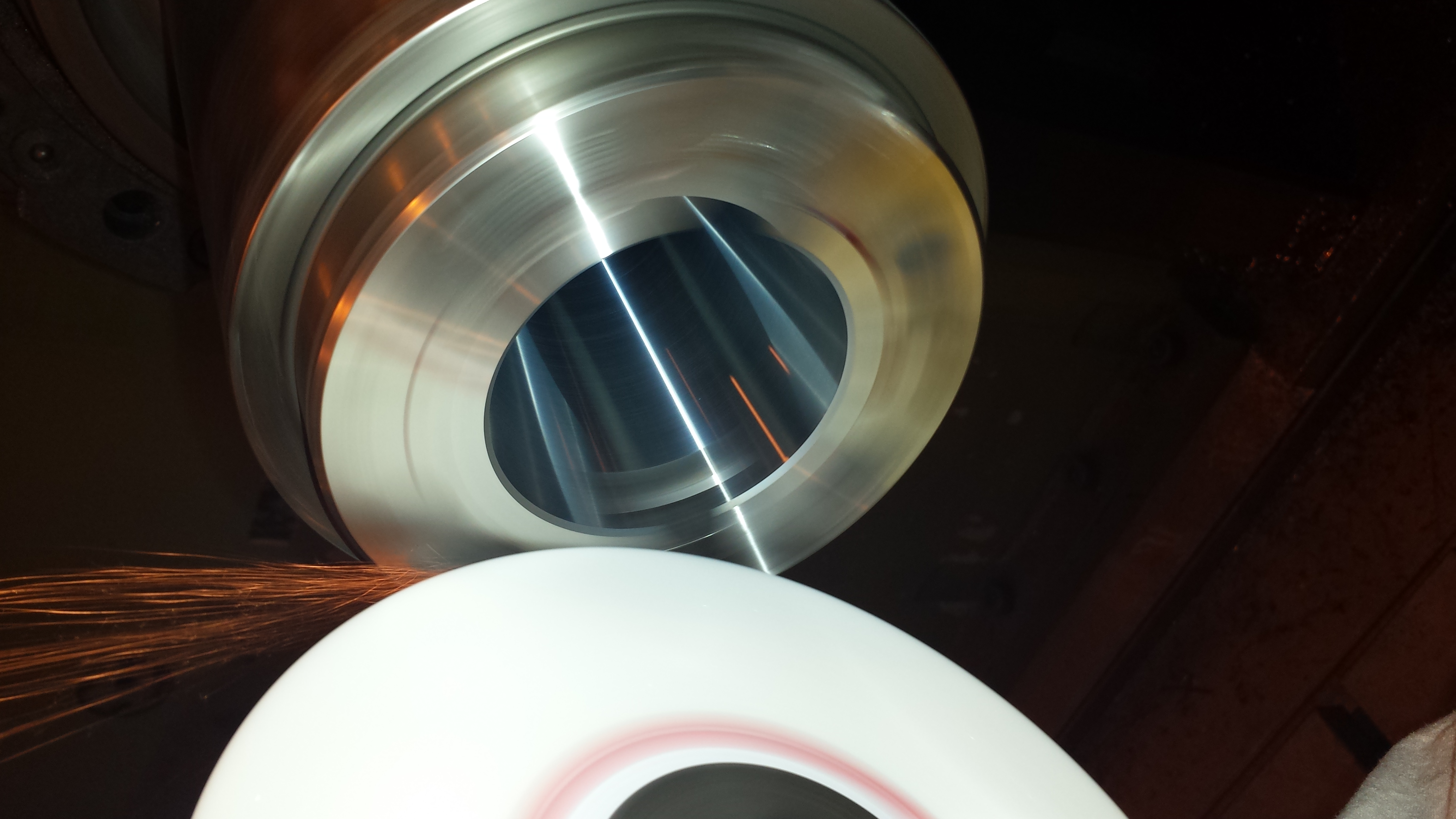
The spindle taper is the seating surface that locates and supports the toolholder. When it is clean, true, and making proper contact, it helps the tool cut with rigidity and repeatability. When it is worn or damaged, everything downstream gets less predictable.
Common taper problems include:
- Bell-mouthing near the spindle face
- Nicks from crashes or mishandled holders
- Fretting marks from toolholder movement
- Poor contact caused by worn or cheap toolholders
- Embedded contamination from chips, grit, or dried coolant
- Loss of concentricity between the taper and spindle centerline
On-site taper grinding addresses the toolholding seat itself. Industry service providers describe on-site spindle repair as a way to restore the precision toolholding taper without always doing a complete spindle repair, which is consistent with the practical value of evaluating the taper before assuming the entire spindle must come out of the machine. The key phrase is before assuming. A taper repair is not magic, and it should not be sold as a cure for bad bearings, coolant-damaged internals, or a structurally compromised machine.
That said, when the taper is the main problem, correcting it in place can be a very sensible downtime decision.
Crashes and tool change mistakes
Crashes are easy to understand and hard to forget. A bad offset, wrong tool length, programming error, fixture interference, or operator mistake can drive force into the spindle in a way it was never meant to absorb.
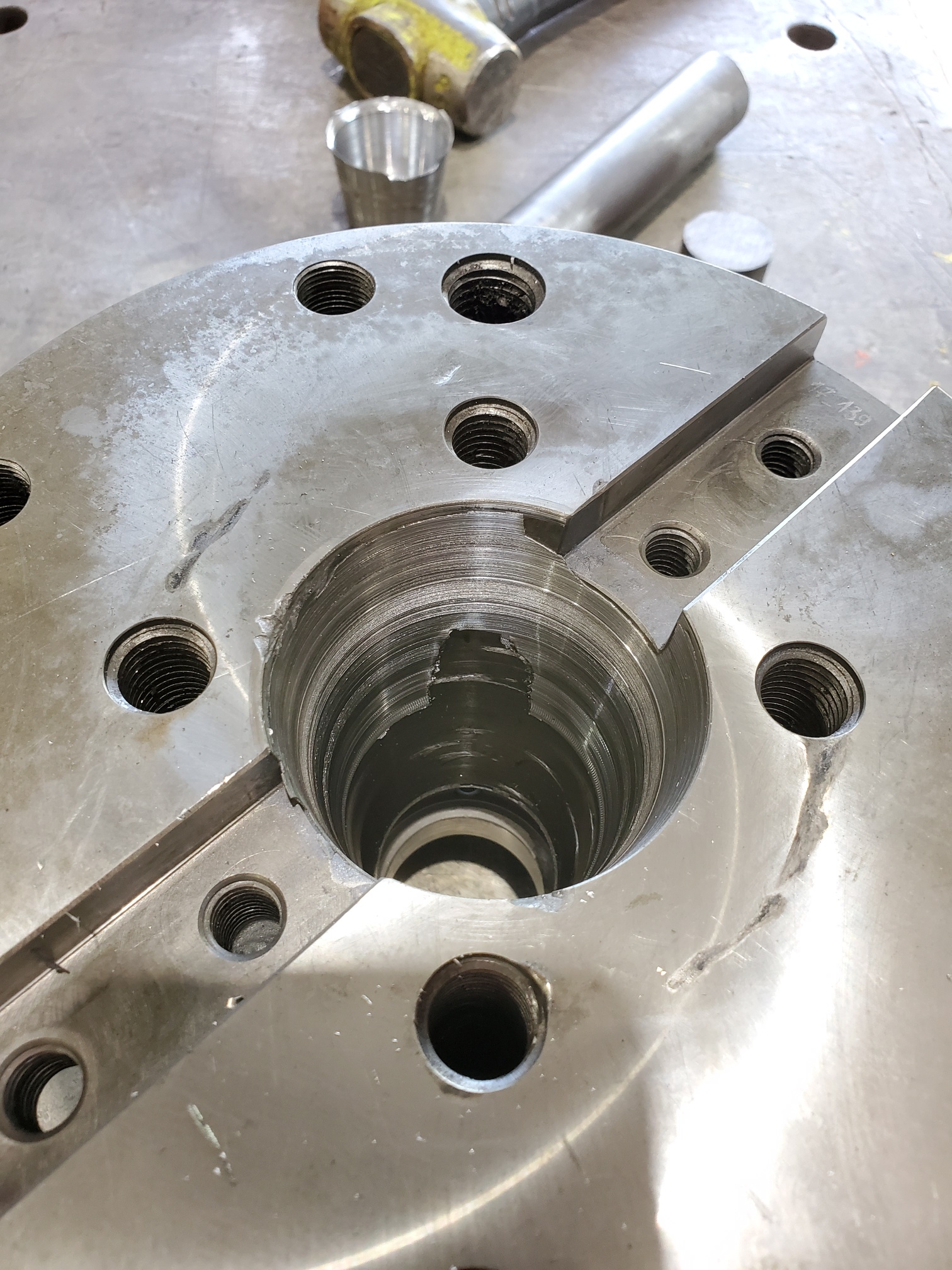
After a crash, the spindle taper may be nicked or distorted even if the machine still runs. The operator may reload the job and see only a small finish issue at first. But that nick can prevent the toolholder from seating correctly. Once toolholders stop seating correctly, runout, chatter, and poor repeatability follow.
After any meaningful crash, check more than whether the spindle turns. Look for:
- New toolholder contact marks
- Runout at the spindle taper and with a test bar
- Unusual spindle noise at speed
- Tool changer alignment problems
- Drawbar retention changes
- Damage to the spindle face or drive keys
A small inspection window after a crash can save a much larger shutdown later.
Contamination: chips, grit, coolant residue, and shop reality
Nobody likes hearing that a precision spindle can be damaged by something as humble as dirt. Unfortunately, it can.
Chips, grinding grit, dried coolant, rust, and shop debris can interfere with taper seating. When contamination is trapped between the spindle taper and toolholder, the toolholder does not seat evenly. Under load, it can move slightly. That movement creates fretting and wear.
This is especially relevant in busy production environments where machines run long hours and tool changes happen constantly. Automatic tool changers are wonderful until they keep cycling dirty holders through a precision interface.
Good habits help:
- Keep toolholder tapers clean and inspected
- Do not return damaged holders to the magazine
- Clean spindle tapers with proper tools, not whatever rag is closest
- Watch for coolant residue that dries into sticky deposits
- Pull questionable holders out of service quickly
The inexpensive habit is cleaning. The expensive habit is hoping.
Coolant intrusion and bearing damage
Coolant is supposed to help the cut, not move into places it does not belong. If coolant gets past seals or into the spindle bearing area, it can compromise lubrication and shorten bearing life. Once bearings are contaminated or damaged, taper grinding alone will not solve the problem.
Warning signs may include:
- Spindle noise that increases with speed
- Heat that rises faster than normal
- Roughness or vibration under no-load running
- Grease or coolant evidence where it should not be
- Repeat failures after bearing replacement
If these signs are present, the evaluation needs to look deeper than taper contact. Running a spindle hard when bearings are already distressed can turn a manageable repair into a more expensive event.
Low drawbar force and retention problems
Symptoms can look like spindle failure even when the spindle is only part of the story:
- Tool pullout during aggressive cuts
- Fretting near the gauge line
- Inconsistent Z depth
- Chatter during heavy roughing
- Finish problems that improve with lighter cuts
Before blaming the spindle bearings, check drawbar force and tooling condition. A strong spindle with weak clamping is still a weak cutting system.
Imbalance, chatter, and abusive cutting conditions
Spindles are built for speed and precision, not punishment without consequence. Unbalanced tool assemblies, long overhangs, heavy interrupted cuts, worn cutters, and aggressive parameters can overload the spindle system.
Chatter is particularly destructive because it is both a symptom and a cause. It may start because of poor taper contact, worn bearings, a weak setup, or bad cutting conditions. Once present, it hammers the tool, the holder, the taper, and the machine structure. If the shop keeps running through it because the part is almost done, the spindle pays the bill.
For North American production work, where lead times and uptime matter, the practical move is to treat recurring chatter as a diagnostic signal. Do not just quiet it down with a feed override and call it fixed. Find out whether the machine is losing rigidity at the spindle, the tooling, the fixture, or the axis system.
Heat growth and lubrication trouble
Spindle heat is not automatically a failure sign. Machines warm up. Bearings generate heat. High-speed work changes thermal behavior. The concern is abnormal heat, rapid heat rise, or heat paired with noise, vibration, or part variation.
Potential causes include:
- Bearing preload problems
- Lubrication failure or wrong lubrication behavior
- Coolant intrusion
- Belt or drive issues
- Excessive cutting load
- Long high-speed cycles without appropriate warm-up practice
If heat is paired with taper contact problems, you may have two issues at once. That matters because correcting the taper can improve toolholding, but it will not repair overheated bearings.
Misalignment and machine condition
This is where Locher, Inc. is different from a one-note repair conversation. The company works in on-site spindle taper grinding and machine rebuilding, which matters when the question is not simply can the taper be ground, but what is actually wrong with this machine? A narrow answer can be expensive if the broader machine condition is ignored.
If your North American shop has recurring accuracy problems after tooling, workholding, and process checks, it may be time for a broader machine evaluation through Locher’s machine tool service support.
When on-site spindle taper grinding makes sense
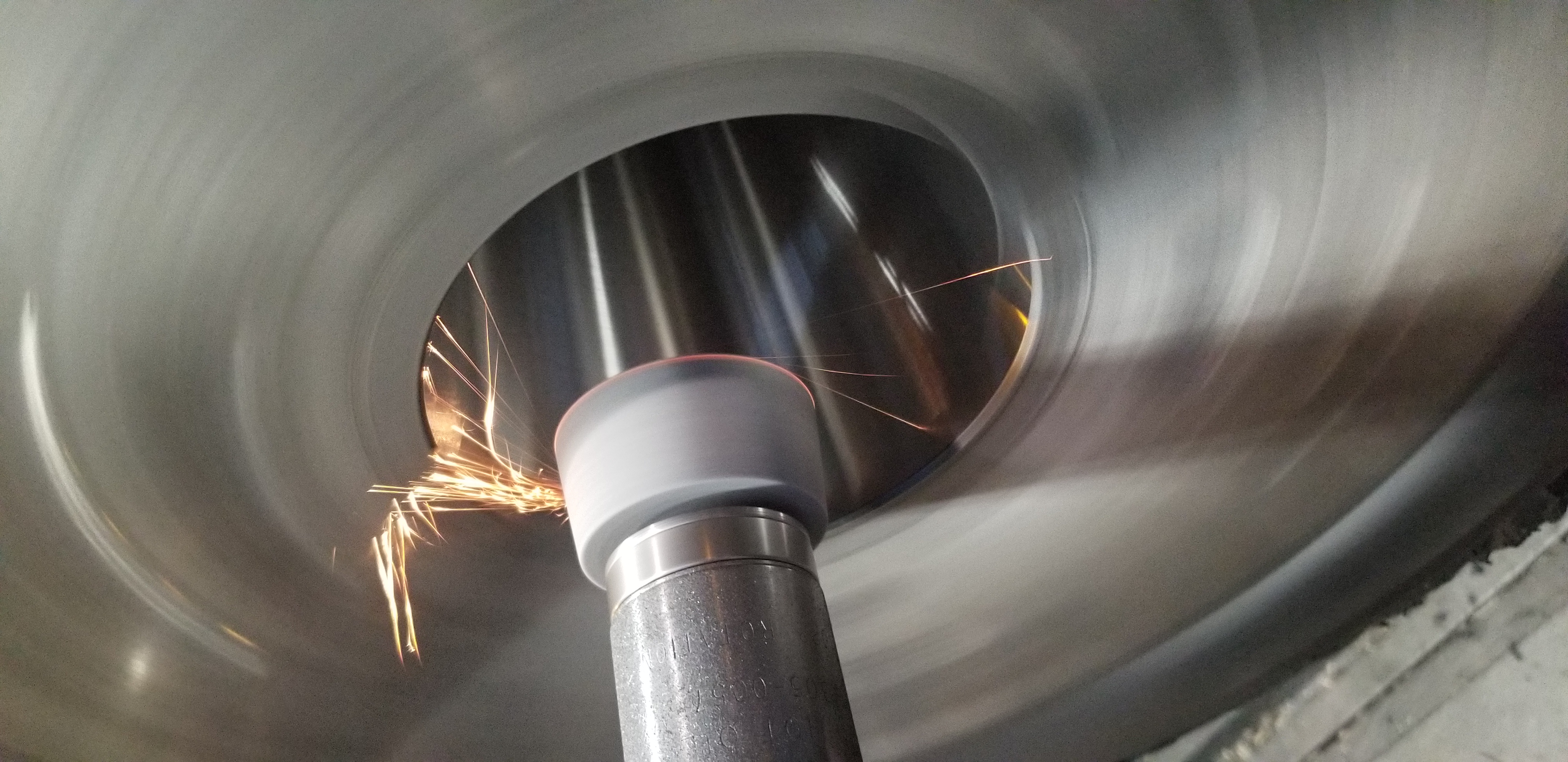
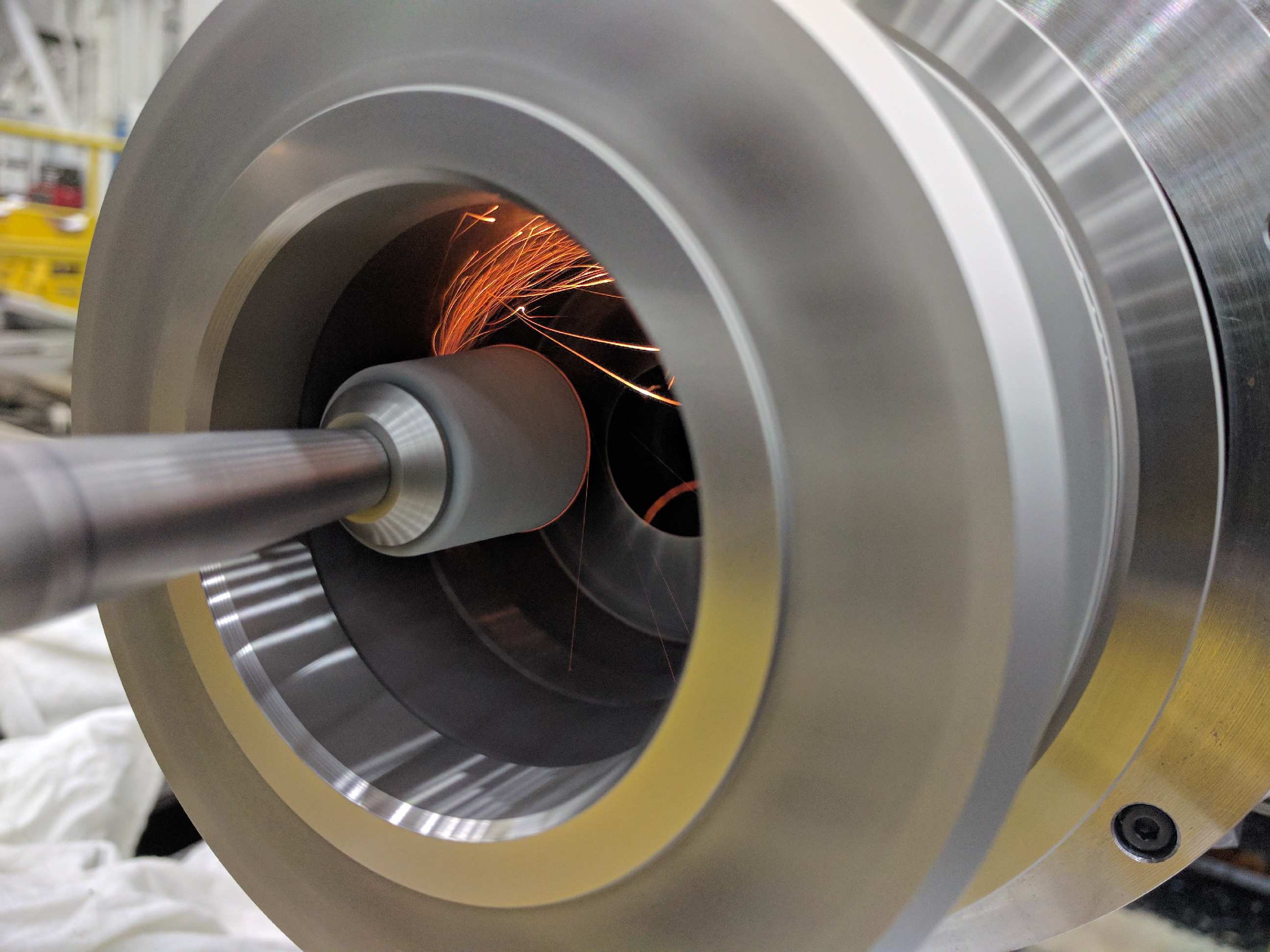
On-site spindle taper grinding is worth considering when the spindle taper is damaged or worn, but the spindle is otherwise a reasonable candidate for in-place correction.
It may make sense when:
- The taper has poor contact but bearings are not showing obvious distress
- Runout points to the taper rather than a single bad holder
- A crash created a visible or measurable taper issue
- Fretting indicates toolholder movement in the spindle
- Production downtime makes spindle removal especially costly
- The machine is too valuable to keep running in a compromised condition
It may not be enough when:
The right question is not whether taper grinding is always the answer. It is whether the taper is the problem that should be corrected first. For a boring mill built around replaceable spindle taper inserts, compare that repair path with Locher's Boring mill replaceable spindle taper inserts service after confirming the damaged component and machine fit.
What to gather before you request an evaluation
A good service call starts before anyone arrives. If you can collect a few details, the conversation gets sharper and the downtime planning gets easier.
Bring this information if you have it:
- Machine make, model, and spindle taper type
- Recent crash history, even if the crash seemed minor
- Current symptoms: chatter, runout, finish, tool pullout, heat, noise
- Jobs or materials where the problem appears most often
- Toolholders used when symptoms appear
- Drawbar force readings, if available
- Photos of taper marks, fretting, or damaged holders
- Any recent bearing, drawbar, tool changer, or alignment work
You do not need a perfect diagnosis. That is the point of the evaluation. But a clear symptom history helps Locher separate taper damage from tooling, bearing, or machine condition problems more quickly.
North American context: downtime hurts differently in production shops
For manufacturers across North America and the surrounding region, spindle trouble is not an abstract maintenance topic. It affects shipping dates, overtime, customer confidence, and whether a machine becomes a bottleneck for the rest of the cell.
That is why on-site work can be valuable. Shipping a spindle or waiting on a full rebuild may be necessary in some cases, but it should not be the default assumption when the taper is the root issue. An on-site evaluation can help determine whether the machine has a correctable toolholding problem or a deeper spindle failure.
The practical goal is simple: identify the cause, protect the machine, and choose the repair path that makes sense for production.
A spindle symptom is a production signal: measure the interface, protect the machine, and choose the repair path from evidence instead of guesswork.
A better next step than guessing
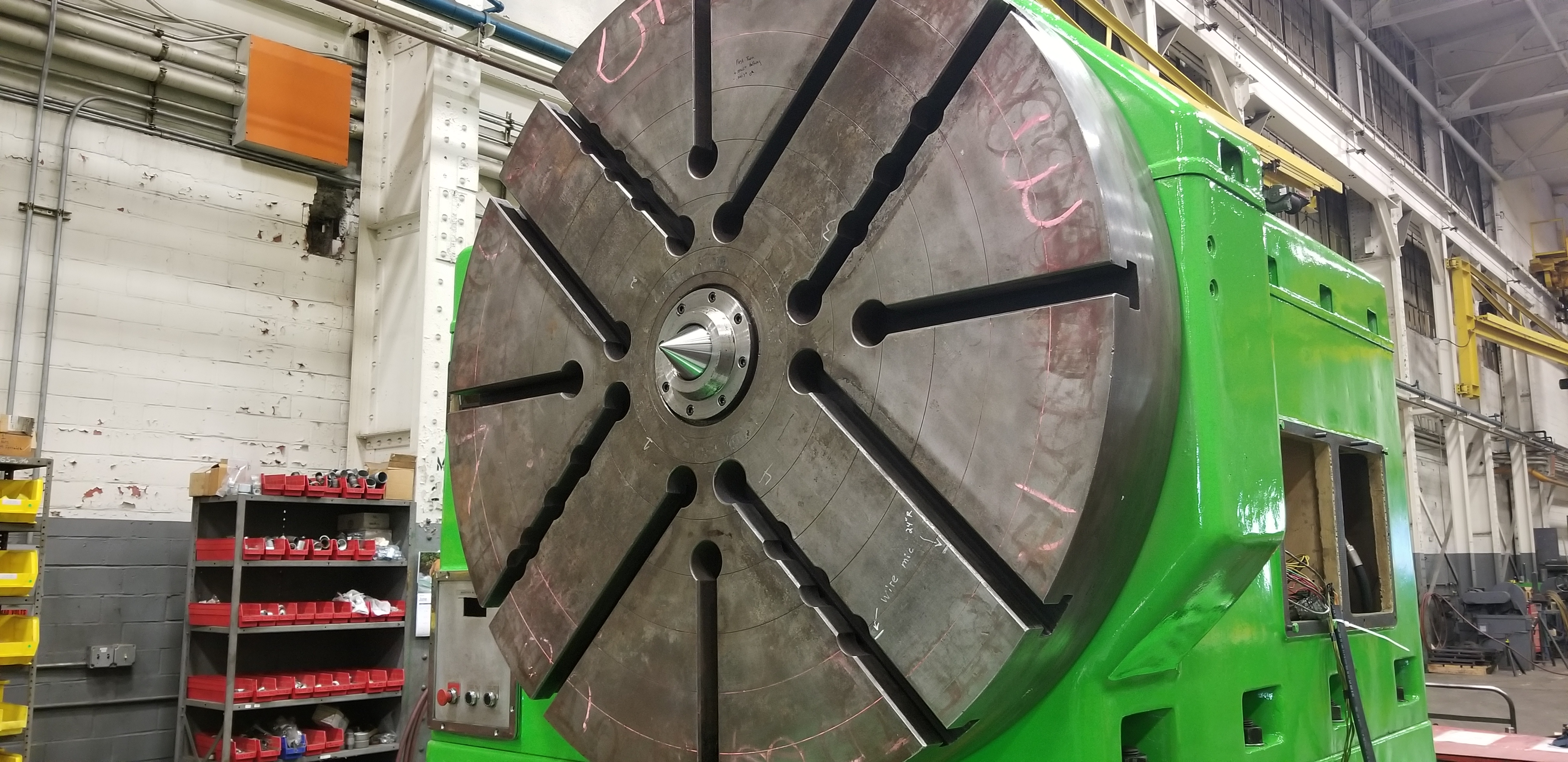
If your spindle is showing chatter, runout, poor finish, tool pullout, fretting, or post-crash accuracy problems, do not let the machine keep arguing with production until the schedule breaks. Start with the interface that holds the tool, then evaluate the spindle and machine as a system.
An evaluation can help separate taper damage from bearing, tooling, or machine-condition problems.
Can a spindle taper be repaired without removing the spindle?
Often, yes, when the main problem is the precision toolholding taper and the spindle is otherwise suitable for in-place correction. On-site spindle taper grinding is designed for that kind of situation. If bearings or internal spindle components are damaged, removal or deeper repair may still be required.
What is the first sign of spindle taper trouble?
Common early signs include fretting on toolholders, inconsistent runout, chatter across more than one tool, poor finish, tool pullout, and contact patterns that show the holder is not seating evenly. These signs deserve attention before the spindle problem becomes more expensive.
Should I keep running the machine if I suspect spindle failure?
Sources
- Locher, Inc.
- GTI Spindle Technology on onsite spindle repair
- SPS Spindle on taper grinding
- Practical Machinist discussion on regrinding a spindle taper
Refresh note for maintenance teams
Spindle symptoms change as tooling, jobs, operators, and machine condition change. Revisit this checklist after a crash, a tooling change, a new material run, or any repeated finish problem that survives normal process adjustments. The sooner the real cause is measured, the less likely your spindle is to turn a small warning into a large repair.
Questions North America Clients Ask
What are the most common causes of spindle failure?
The most common causes are taper wear, crashes, contamination, coolant intrusion, bearing overload, low drawbar force, lubrication problems, imbalance, chatter, heat growth, and misalignment.
Can on-site spindle taper grinding fix every spindle problem?
No. It is most useful when the taper is damaged but the bearings and drive system remain serviceable. Deeper bearing or internal damage requires a broader repair evaluation.
How do I know if my spindle taper is the problem?
Common clues include fretting, tool pullout, runout, chatter across multiple tools, inconsistent finishes, and poor contact patterns.